
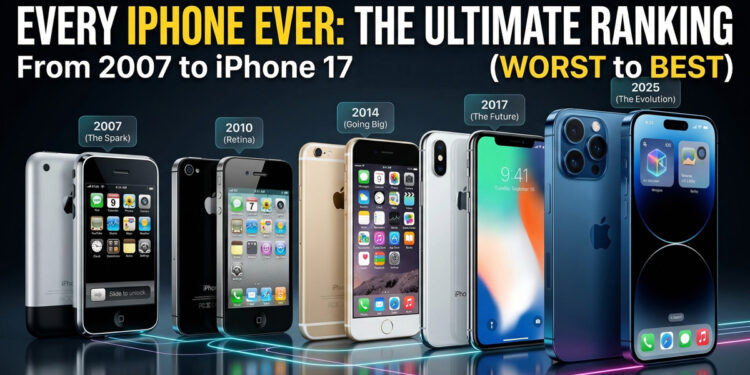

Apple’s smartphone evolution has defined the modern tech era. From the multi-touch display of the 2007 original to the AI-powered, incredibly thin iPhone 17 lineup of today, the iPhone has consistently reshaped how we communicate, work, and capture our lives.
But not all iPhones are created equal. Some introduced game-changing, first-of-its-kind features, while others were just safe, iterative bumps. If you’re a tech history buff or just want to see where your favorite device lands in iOS history, we’ve ranked every major iPhone generation from worst to best based on cultural impact and groundbreaking features.
Let the countdown begin!
20 iPhone 8 Series (2017)
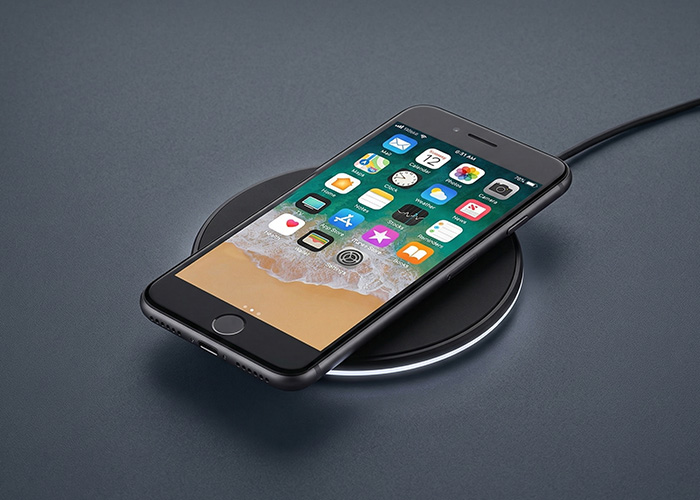
This generation brought wireless charging to the Apple ecosystem and refined the glass-sandwich design, offering a familiar, reliable experience for users not ready to jump into the future.
However, it was the ultimate afterthought. Apple launched the 8 on the exact same stage as the revolutionary iPhone X, immediately rendering its thick bezels and physical home button obsolete. It sits at the absolute bottom because it was effectively dead on arrival.
19 iPhone 13 Series (2021
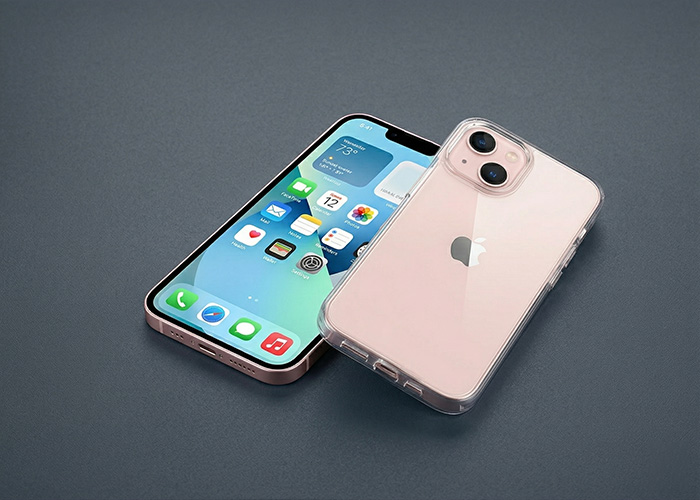
The 13 series introduced the 120Hz ProMotion display to the Pro models, finally making iOS scrolling buttery smooth, and gave amateur filmmakers a highly requested depth-of-field “Cinematic Mode” for video.
It ranks near the bottom because it represents Apple at its most stagnant. The base iPhone 13 was so visually and technically identical to the 12 that most people couldn’t tell them apart. It was a perfectly fine phone, but culturally, it was a complete non-event.
18 iPhone 14 Series (2022)
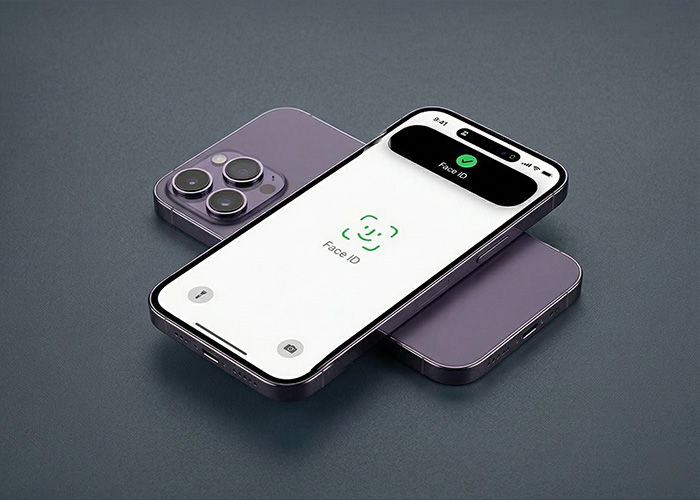
The 14 Pro delivered the “Dynamic Island,” cleverly turning an unsightly screen cutout into an interactive software feature, while the whole lineup received literal life-saving satellite Emergency SOS capabilities.
It gets heavily penalized for the base model. For the first time ever, Apple disrespected buyers by putting last year’s chip in a “new” phone. The 14 Pro was great, but the standard 14 was a glorified 13S that felt like an outright cash grab.
17 iPhone 16 Series (2024)
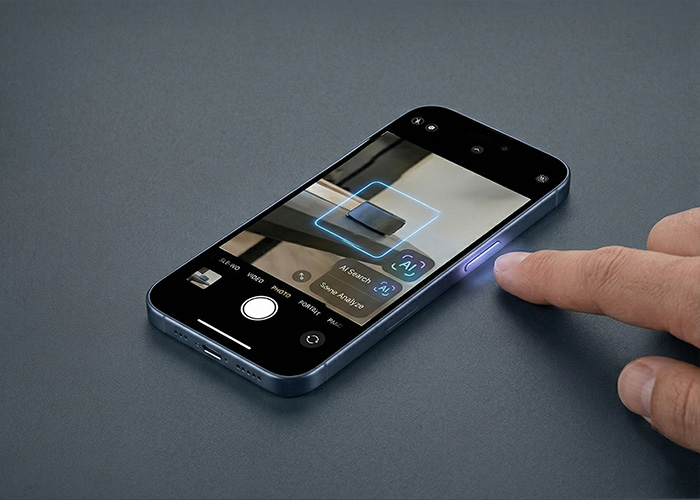
This release introduced the dedicated Camera Control button for tactile photography and was marketed as being built from the ground up to support the new era of generative “Apple Intelligence.”
It earns a low spot because it felt like a paid beta test. Apple marketed the 16 almost entirely around AI features that weren’t even finished or available at launch. It was an obvious stopgap device designed to hold us over until the massive redesign of the 17.
16 iPhone XS & XR (2018)
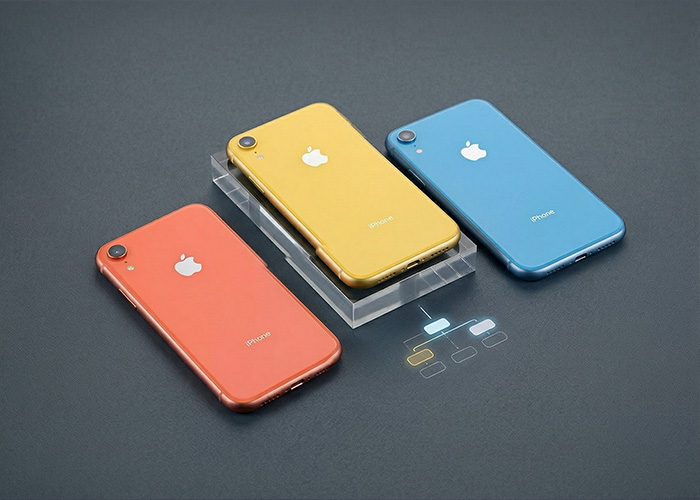
The XR was an absolute triumph for the lineup. It proved budget phones could be colorful, incredibly fast, and feature-rich without a premium price tag, dominating global sales for the year.
It lands in the bottom tier because the actual flagship—the XS—was an utter snooze-fest. The XR carried this generation on its back, but the XS offered almost zero reason to upgrade from the previous year’s iPhone X, making it a largely forgettable release.
15 iPhone 3GS (2009)
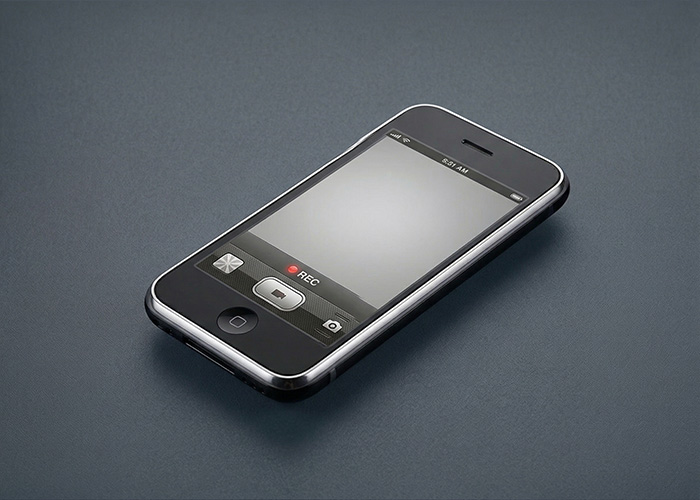
For this model, the “S” stood for Speed. It drastically improved performance over its predecessor and, crucially, gave millions of everyday people a pocket video camcorder for the very first time.
It sits at 15 because it established Apple’s frustrating habit of reusing identical exterior shells for multiple years. Plus, it took until this specific phone for Apple to finally invent “Copy and Paste”—a basic feature competitors had been mocking them over since 2007.
14 iPhone 15 Series (2023)
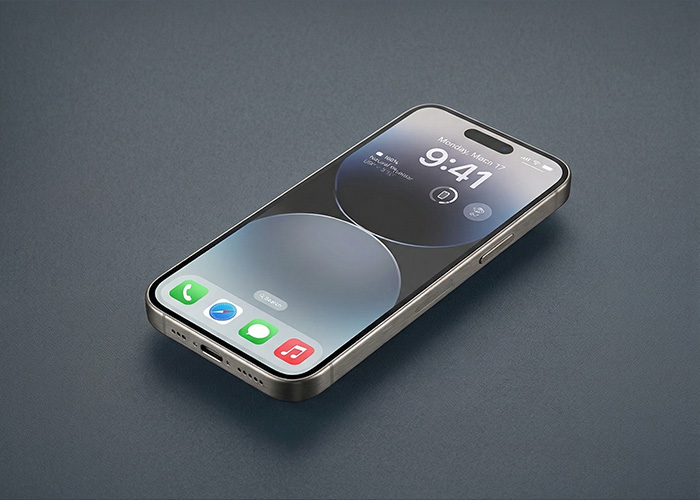
The Pro models got a gorgeous, lightweight brushed titanium frame, the base models finally inherited the Dynamic Island, and the ancient Lightning port was completely killed off in favor of universal USB-C.
It marks the middle of the pack because its biggest “innovation” (USB-C) was forced by European Union regulators, not Apple’s ingenuity. Add in some early, highly publicized overheating issues with the titanium frame, and it’s a solid, but flawed, transitional device.
13 iPhone 11 Series (2019)
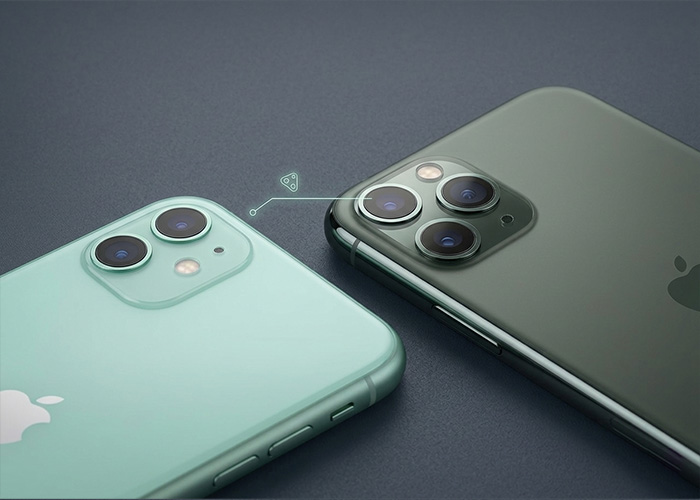
This lineup marked the birth of the “Pro” moniker. The addition of the Ultra-Wide lens and computational Night Mode completely changed the aesthetic of mobile photography and dictated how pictures looked on social media.
It ranks just outside the top half because the base model screen was terribly outdated. At its premium price point, an LCD screen looked incredibly cheap next to the vibrant OLED displays of every Android competitor. It had great cameras, but a compromised display.
12 iPhone 7 & 7 Plus (2016)
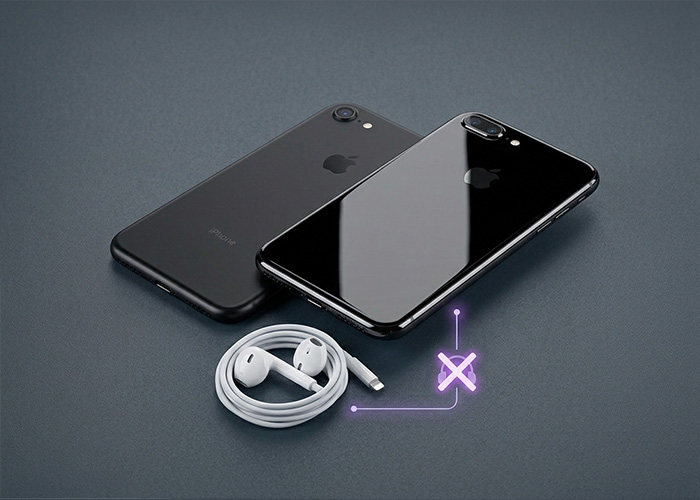
The iPhone 7 brought much-needed water resistance and the very first dual-camera setup to the Plus model, formally introducing the world to the blurred-background magic of Portrait Mode.
It claims the number 12 spot for sheer controversy. Killing the 3.5mm headphone jack was infuriating and painful, but it forcibly pushed the entire tech industry into the wireless audio era. We hated it at the time, but history proved Apple’s “courage” right.
11 iPhone 5S & 5C (2013)
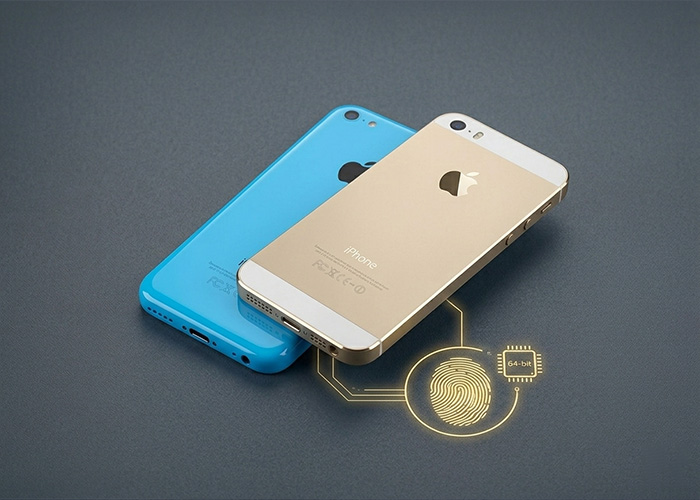
The 5S felt like a glimpse into the future. Touch ID fingerprint scanning was literal magic at the time, and its 64-bit mobile processor caught the entire tech industry—and Qualcomm—completely off guard.
It barely misses the top 10 because the colorful, unapologetically plastic 5C dragged the generation down. The 5S was an absolute powerhouse of forward-thinking tech, but the 5C was an overpriced swing-and-a-miss at capturing the entry-level budget market.
10 iPhone 12 Series (2020)
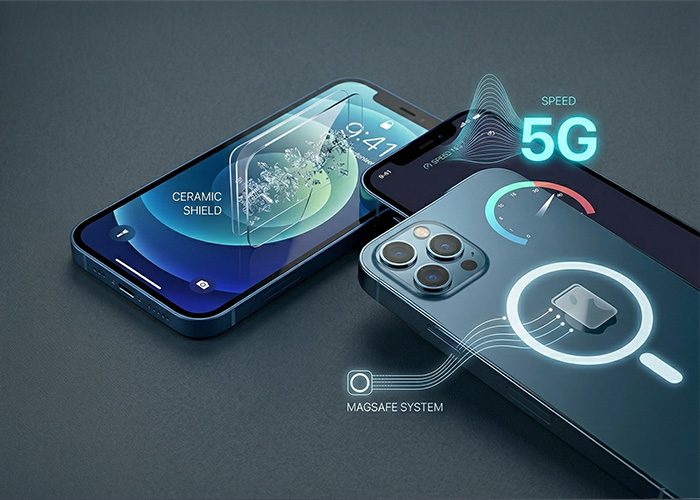
The 12 series finally brought back the beloved, industrial flat-edged design of the iPhone 4, added lightning-fast 5G, and introduced the magnetic MagSafe ecosystem to the back of the device.
Breaking into the top 10, this generation completely refreshed the iPhone’s visual identity when it desperately needed it. While early 5G modems severely chewed through battery life, the introduction of MagSafe spawned a brilliant, multi-billion-dollar accessory ecosystem we still rely on today.
9 iPhone 4S (2011)
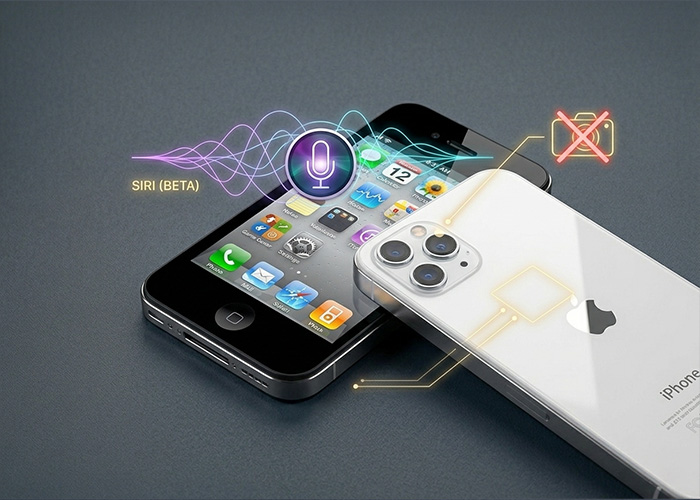
This generation introduced Siri, officially kicking off the global AI voice assistant wars, and featured a massively upgraded 8MP camera that effectively drove the final nail into the coffin of the point-and-shoot digital camera market.
It earns its top 10 spot for introducing the modern voice assistant. Even though Siri was a clunky, easily confused mess in her early days, this phone fundamentally changed how we interact with technology, moving us from tapping on glass screens to simply talking to our pockets.
8 iPhone 5 (2012)
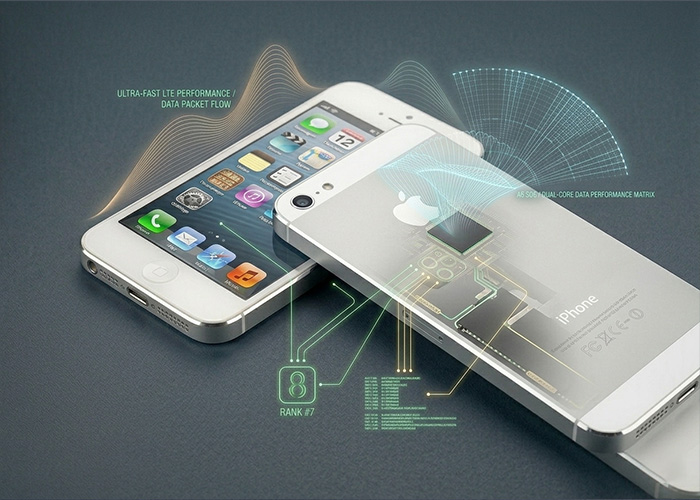
An absolute masterpiece of industrial design, the iPhone 5 finally gave us a taller 4-inch screen, introduced the incredibly tiny, reversible Lightning port, and was the first Apple device to tap into ultra-fast LTE networks.
It ranks highly purely on aesthetics and speed. It was so shockingly thin and premium that holding the dual-tone aluminum frame felt like holding a piece of jewelry. We even forgive it for the infamous Apple Maps launch disaster because the hardware itself was just that good.
7 iPhone 6 & 6 Plus (2014)
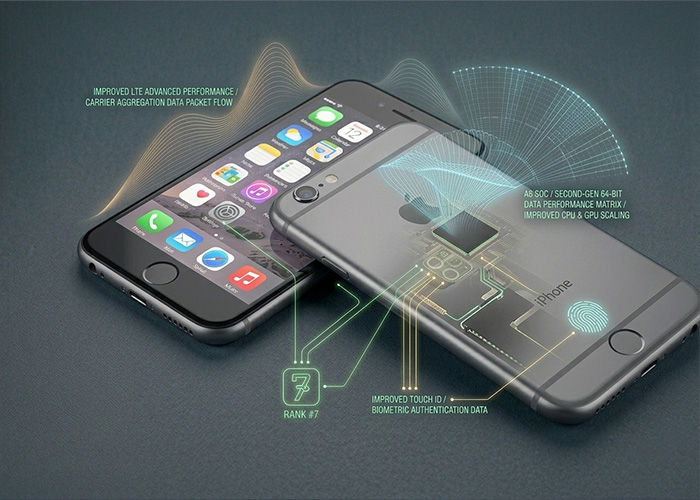
With this generation, Apple finally caved to the “phablet” trend, releasing massive 4.7-inch and 5.5-inch screens that shattered all previous sales records. It also introduced Apple Pay, a feature that permanently changed global retail.
It earns a high rank for sheer cultural dominance. The 6 series was everywhere. Embarrassing “Bendgate” structural issues aside, the introduction of contactless Apple Pay and the pivot to large screens dictated smartphone trends for the next five years.
6 iPhone 17 Series (2025)
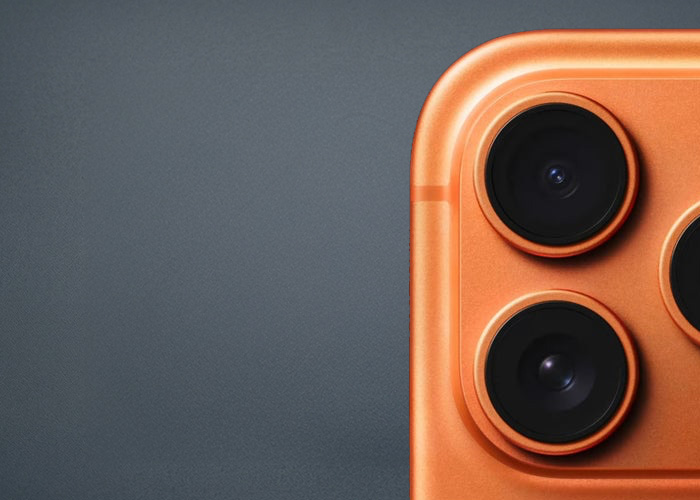
A massive, breathtaking shakeup for the brand. The incredibly thin “iPhone Air” proved Apple could still shock the industry with its form factor, while the Pro models delivered incredible 48MP native Dual Capture video for modern creators.
It sits just outside the top 5 because it finally delivered the massive design leap we’d been begging for since 2020. Sacrificing an entire camera lens just to make the Air impossibly thin was a bold, classic Apple move that proved they still care about boundary-pushing design.
5 iPhone 6S & 6S Plus (2015)
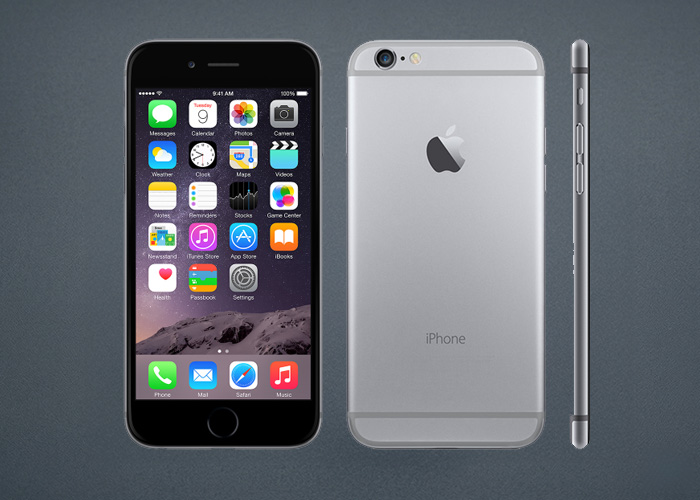
This was the ultimate peak-performance phone of its era. It introduced stunning 4K video recording, blazing-fast 2nd Gen Touch ID, and the wildly innovative, pressure-sensitive screen technology called 3D Touch.
It enters the top 5 for its legendary longevity. Built from aerospace-grade aluminum to fix the bending issues of its predecessor, the 6S was an absolute tank of a phone. Many tech enthusiasts still passionately argue that iOS peaked when 3D Touch was fully integrated.
4 iPhone 4 (2010)
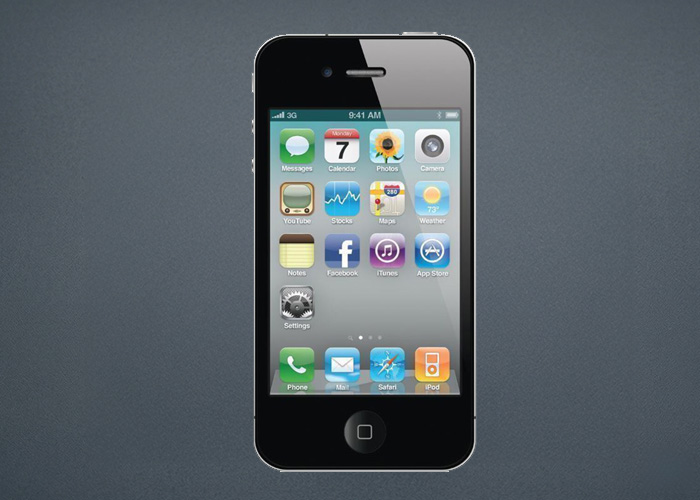
The introduction of the ultra-crisp Retina Display made every other phone screen on the market look blurry and pixelated overnight. The stunning design also brought us the front-facing camera, single-handedly birthing FaceTime and the modern selfie.
It is quite simply one of the most beautiful pieces of technology ever made. The glass-and-steel sandwich design was lightyears ahead of the cheap plastic Androids of the era. The “Antennagate” signal dropping issue is now just a funny footnote in the legacy of a legendary device.
3 iPhone 3G (2008)
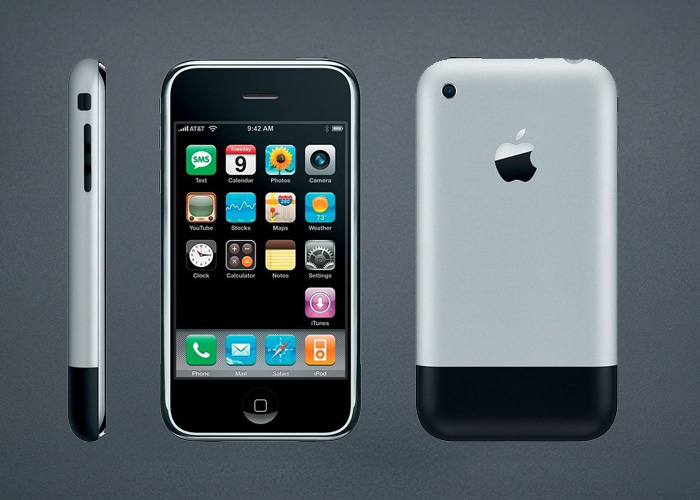
“There’s an app for that.” The hardware updates added 3G speeds and GPS, but the App Store created a multi-billion dollar economy.
It takes the bronze because it transformed a cool web browser into a limitless pocket computer. The plastic body felt cheaper than the original, but the software revolution changed global economics and human convenience forever.
2 iPhone X (2017)
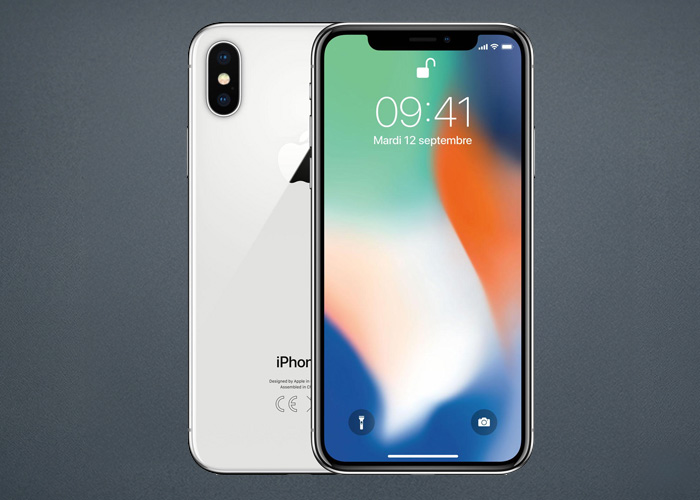
Ten years in, Apple had to prove it could still innovate. The iPhone X (pronounced “Ten”) didn’t just upgrade the smartphone; it demolished the status quo. Apple took its most iconic feature—the physical Home Button—and killed it.
This device taught the world a new physical language. Swiping to navigate felt alien for a week, then became second nature. Soon, the entire industry adopted these same gestures.
Then came Face ID. Before 2017, projecting 30,000 invisible dots to unlock a bank app felt like sci-fi. The iPhone X normalized facial scanning overnight, making it a mundane, everyday action.
Aesthetically, this phone birthed the “notch.” Though reviewers initially mocked it, the cutout became an instant status symbol. If you had the notch, you had the best.
Finally, there was the price. The iPhone X was the first mainstream phone to smash the $1,000 barrier. It permanently shifted the tech economy, proving people would pay laptop prices for a premium pocket computer.
1 The Original iPhone (2007)
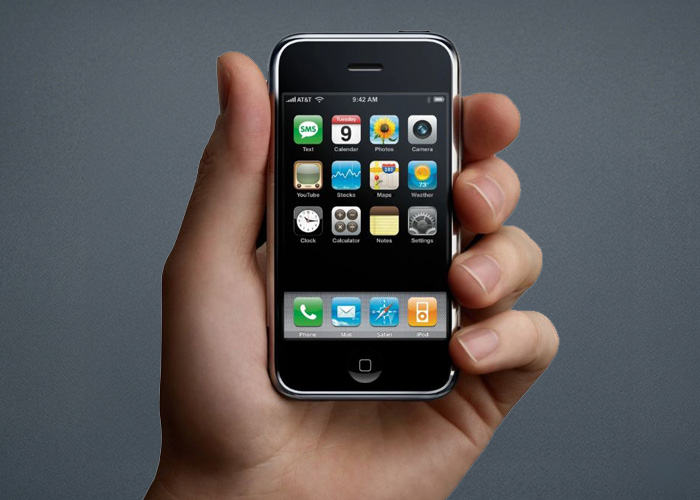
“An iPod, a phone, and an internet mobile communicator.” When Steve Jobs said those words, phones were clunky, plastic bricks. Most had physical keyboards and tiny, frustrating styluses. The original iPhone destroyed that model. With its 3.5-inch glass screen and multi-touch interface, Apple shifted the trajectory of human behavior.
It is impossible to overstate the cultural earthquake this caused. In 2007, “pinching to zoom” or scrolling with a flick felt like magic. It killed the physical keyboard industry. Every competitor had to scrap their designs and start over.
Socially, this device changed how we interact. It ended the concept of “wondering” about a fact. Arguments were now solvable in seconds. It changed how we wait in line and how we consume media.
The 2007 iPhone lacked 3G and an App Store, but it remains the undisputed number one. It laid the foundation for modern life. We are all living in the post-iPhone era.