
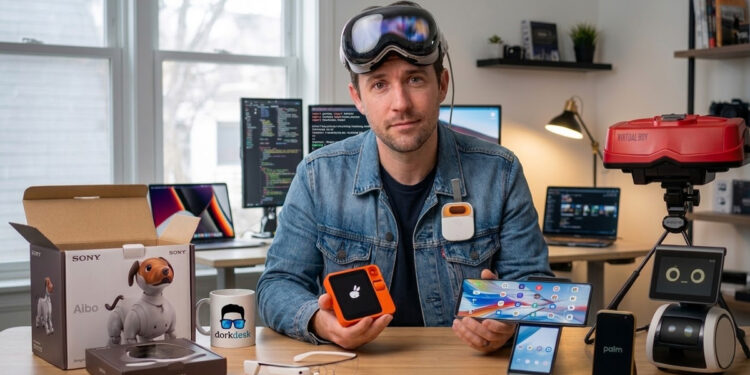

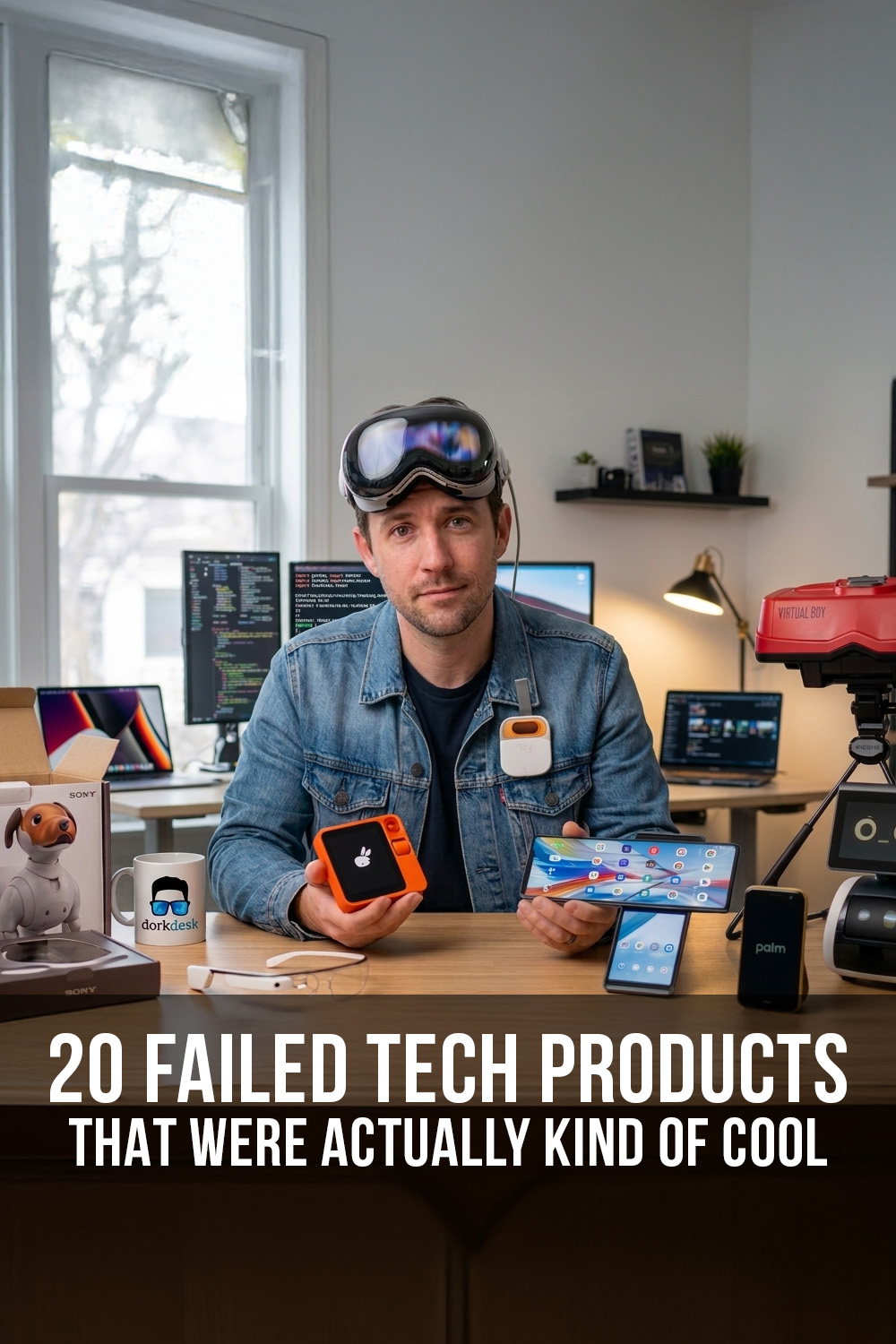
The tech graveyard is full of “the next big thing” that never quite made it to the finish line. However, some failed tech products weren’t actually bad ideas—they were simply ahead of their time or perhaps a little too ambitious for their own good. At DorkDesk, we love a good “what if” story.
From air-purifying headphones to robots that bring you beer, here are 20 innovative tech failures that tried to build the future but ended up as tech trivia.
1 Apple Vision Pro (The Spatial Computing Era)
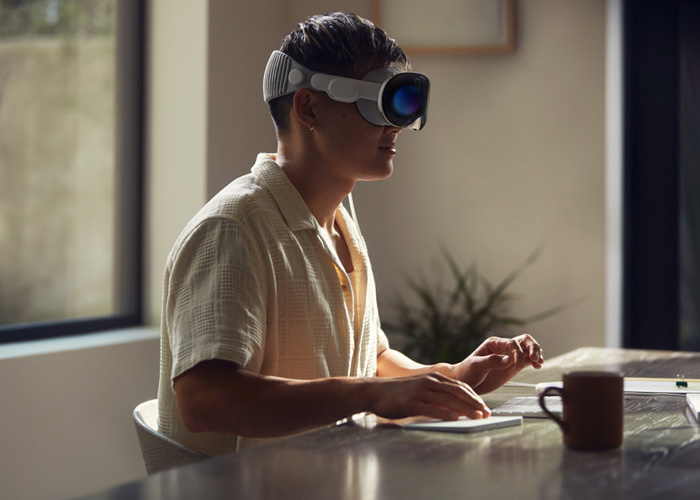
The Innovation: Apple’s first foray into “spatial computing.” It featured incredible eye-tracking and high-resolution displays that merged the digital and physical worlds. The product is absolutely incredible and is by far the best VR/AR headset on the market.
Why It Missed: The $3,500 price tag and the heavy weight made it a hard sell for the average consumer. It felt more like a developer tool than a consumer product.
Current Status: Struggling. Apple has reportedly shifted focus to a cheaper model and “AR Glasses” to combat low adoption rates of the Pro version. Our hope is Apple releases a Vision or Vision Air at a much cheaper price.
2 Google Glass (The AR Pioneer)
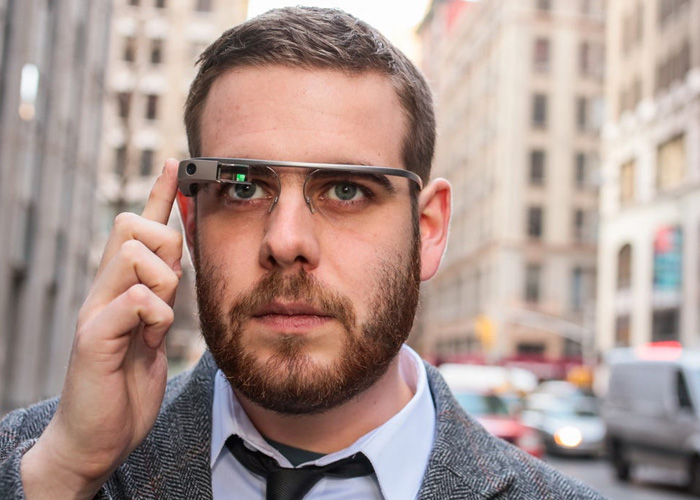
The Innovation: Long before the current AR trend, Google Glass promised a heads-up display for your life. It put a tiny screen in your field of vision, allowing for hands-free photos and GPS navigation.
Why It Missed: Massive privacy concerns regarding the “always-on” camera led to social backlash. People simply weren’t comfortable being recorded in private spaces.
Current Status: Retooling. While the consumer version died years ago, Google is reportedly working on new “AI Glasses” to compete with Meta’s smart frames.
3 Humane AI Pin (The Screen-less Revolution)
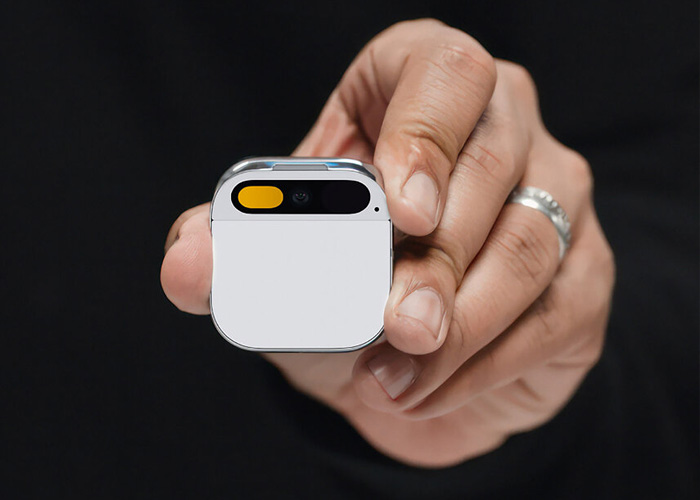
The Innovation: This wearable device aimed to replace the smartphone. It used a laser to project a “Laser Ink Display” onto your palm and relied entirely on voice and AI gestures.
Why It Missed: Initial reviews noted it was slow, overheated, and struggled with battery life. It turns out that most people still prefer a physical screen for visual tasks.
Current Status: Acquired. Humane was acquired by HP in 2025. They are currently integrating the CosmOS software into enterprise-grade laptops.
4 Amazon Astro (The Household Robot)
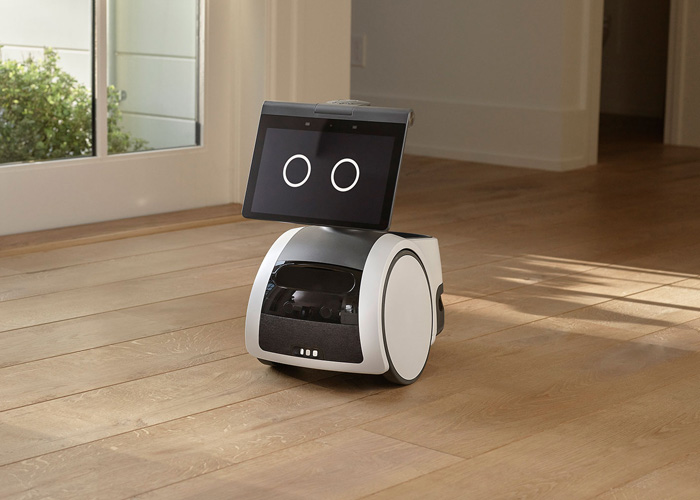
The Innovation: Amazon Astro was designed to be your home’s mobile companion. It can patrol for security, find you to deliver a video call, and even features a cargo bin to bring you a drink on command.
Why It Missed: Despite the “cool factor,” it launched at a steep price and was stuck in an invite-only phase for too long. For many, it felt like an expensive, motorized Echo Show that couldn’t handle stairs.
Current Status: Pivoting to AI. Amazon is currently retooling Astro with Generative AI, allowing it to “remember” where you left your keys or identify specific messes on the floor.
5 Rabbit R1 (The AI Walkie-Talkie)
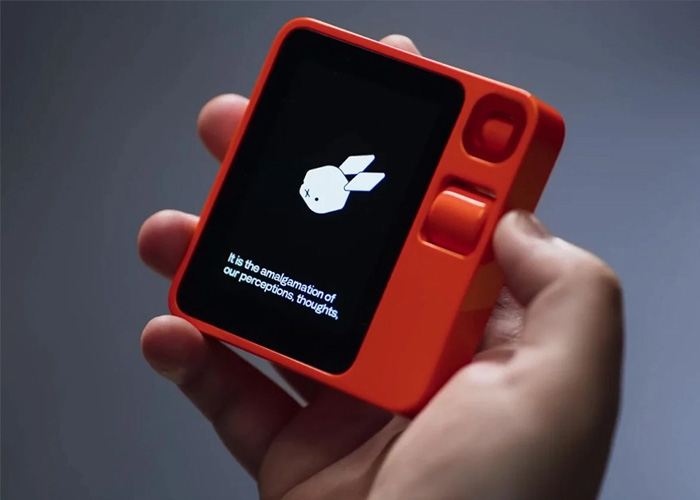
The Innovation: A bright orange, retro-cool device designed to handle “actions” for you—like booking flights or ordering pizza—so you didn’t have to open apps on your phone.
Why It Missed: The software struggled to keep up with the hype. Most of what the R1 could do, a smartphone app could do faster and with more reliability.
Current Status: Pivoting. The company is still active but has shifted its focus toward power users and developers as a “cyberdeck” controller.
6 Dyson Zone (The Air-Purifying Headphones)
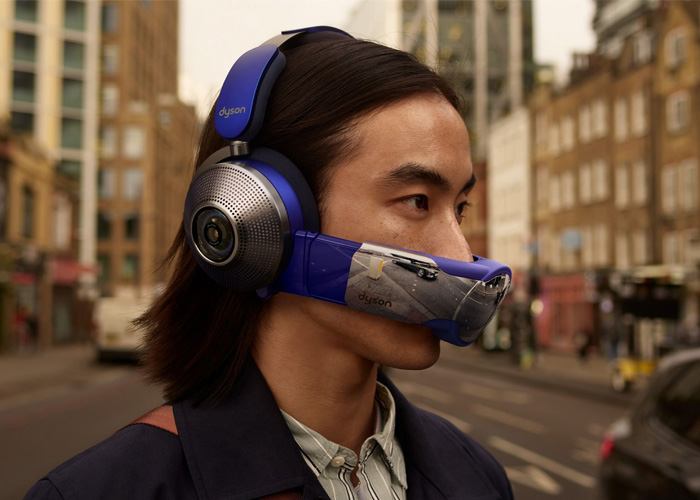
The Innovation: Dyson attempted to solve two urban problems at once: noise pollution and poor air quality. These high-end headphones featured a magnetic visor that filtered air directly into your lungs.
Why It Missed: At nearly $1,000 and weighing over 1.3 pounds, it was too heavy for a daily commute. Additionally, wearing a “Bane-style” mask in public never quite caught on as a fashion trend.
Current Status: Discontinued. Dyson stopped production in late 2024 to focus on the OnTrac headphones, which ditch the mask entirely.
7 LG Wing (The Swiveling Smartphone)
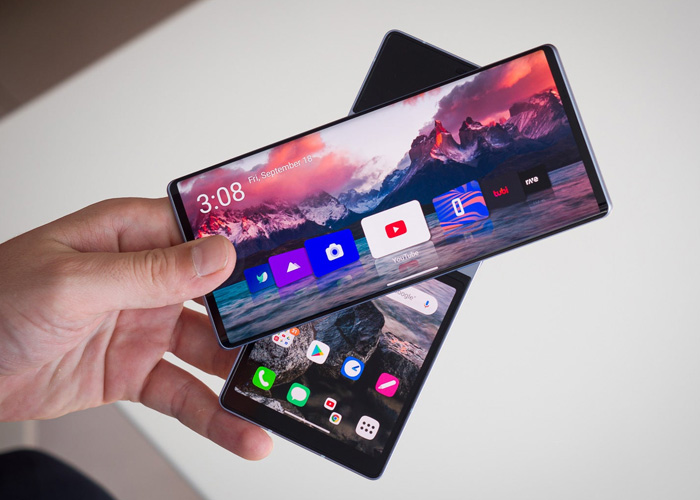
The Innovation: This was arguably the coolest “weird” phone ever made. The main screen swiveled horizontally to reveal a second screen underneath, creating a “T” shape for extreme multitasking.
Why It Missed: It was a niche solution to a problem most people didn’t have. Shortly after its release, LG decided to exit the mobile phone market entirely.
Current Status: Discontinued. It remains a legendary collector’s item for tech enthusiasts who miss the era of experimental hardware.
8 Google Stadia (The Cloud Gaming Giant)
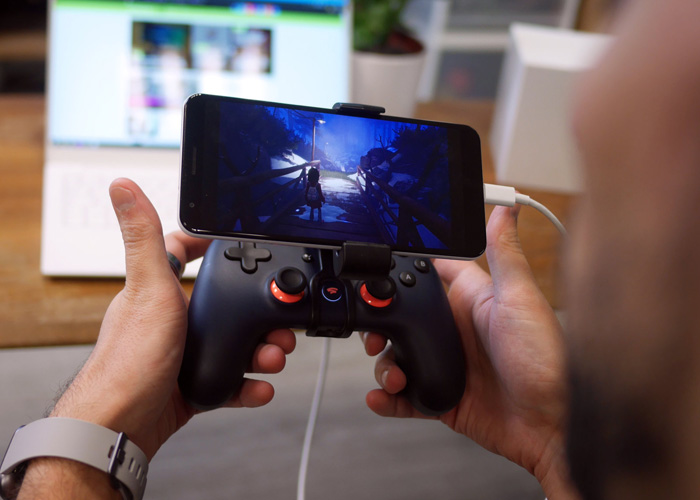
The Innovation: Google’s attempt to do for gaming what Netflix did for movies. You didn’t need a console; you just needed a controller and a screen to play high-end games via the cloud.
Why It Missed: The business model was confusing and “input lag” issues frustrated gamers without high-speed fiber internet.
Current Status: Extinct. Google shut down the servers in 2023. However, they did refund every hardware and software purchase made by their customers.
9 Nintendo Virtual Boy (The Original VR)
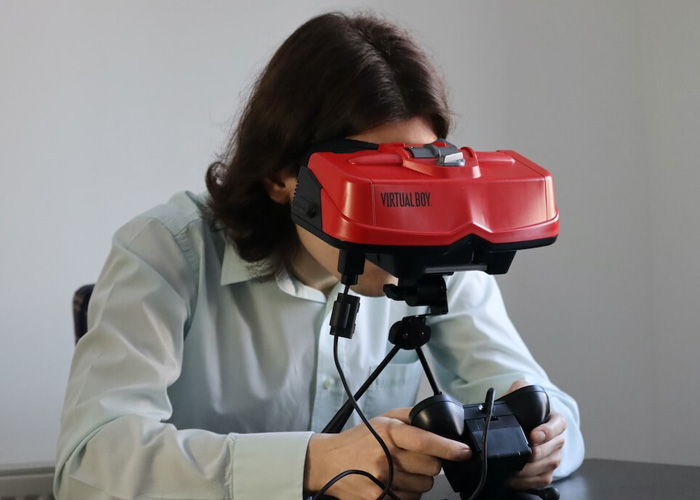
The Innovation: Nintendo’s first attempt at “Virtual Reality” in 1995. It was a tabletop headset that used red LEDs to create a sense of 3D depth.
Why It Missed: The red-and-black wireframe graphics caused severe eye strain and headaches. Additionally, it wasn’t truly portable despite its look.
Current Status: Legendary Fail. It was pulled after one year, but it paved the way for the success of the Nintendo 3DS.
10 Palm Phone (The “Tiny” Companion)
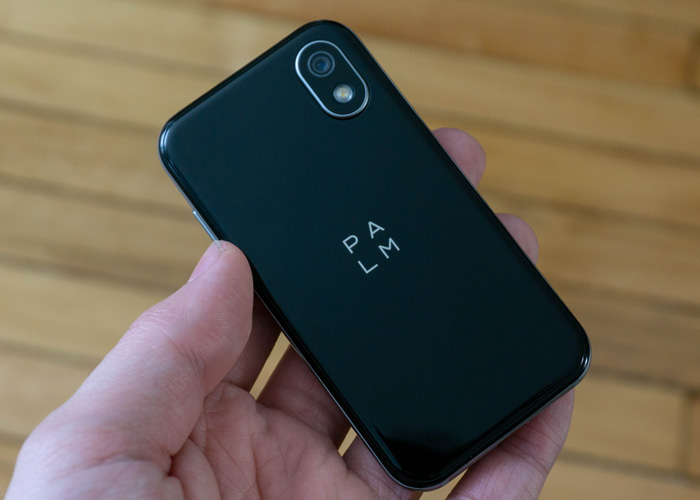
The Innovation: This credit-card-sized smartphone was intended to be a “companion” to your big phone. The idea was to take the Palm on hikes so you’d be less distracted.
Why It Missed: People realized that if they wanted to be less distracted, they could just leave their phone at home. Carrying two devices with two data plans was a tough sell.
Current Status: Discontinued. The brand has gone quiet, and “small phone” enthusiasts now look to the Unihertz brand for tiny tech.
11 Microsoft HoloLens 2 (The Enterprise AR King)
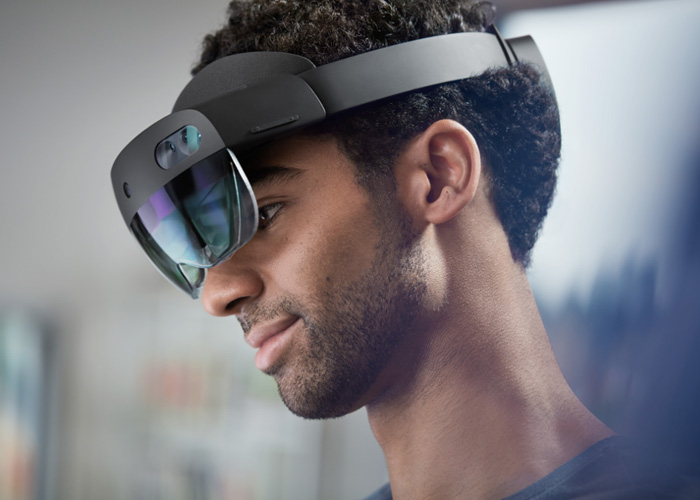
The Innovation: Unlike VR, the HoloLens 2 used transparent glass to overlay holograms onto the real world. It was used by surgeons and engineers to visualize complex data.
Why It Missed: Microsoft could never get the “field of view” large enough, and the hardware remained too bulky for anything other than industrial use.
Current Status: Discontinued.Microsoft ended production in early 2025 to focus on military-grade AR contracts.
12 Sony Aibo (The Robot Dog)
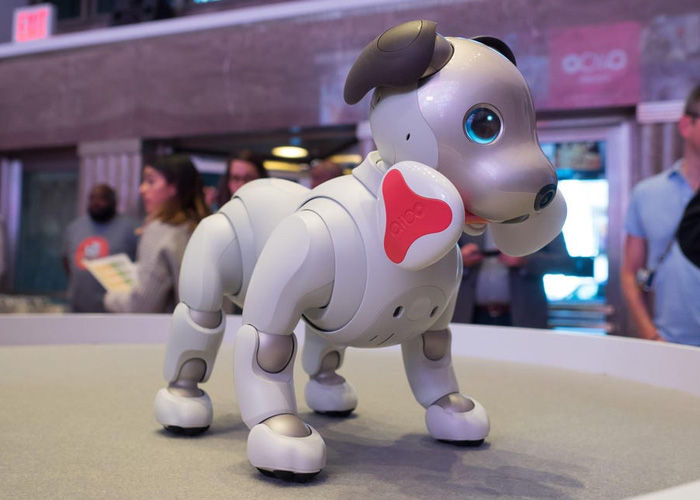
The Innovation: Aibo was a mechanical puppy that could “grow” and learn based on how you treated it. It used facial recognition to identify its owners.
Why It Missed: At nearly $3,000, it was more expensive than a real dog. It remained a luxury item rather than a mainstream household pet.
Current Status: Pivoting. Sony still produces a limited number, but they are now primarily marketed as therapeutic companions for the elderly.
13 Amazon Fire Phone (The 3D Shopping Machine)
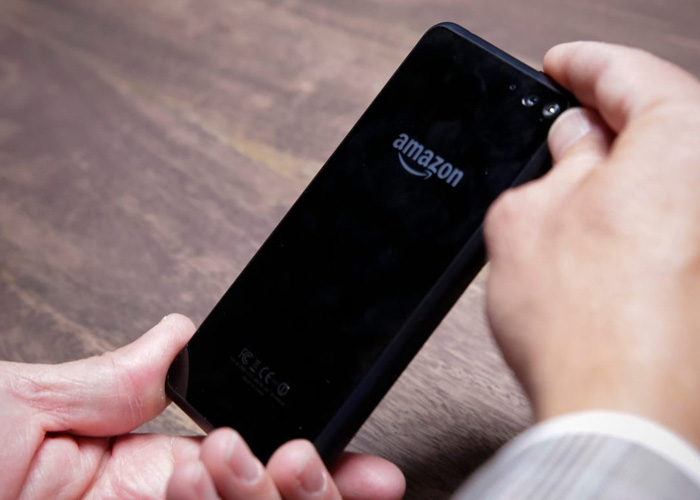
The Innovation: It featured four front-facing cameras to track your head, making the screen look 3D without glasses.
Why It Missed: Every feature was designed to make you buy things from Amazon, which made the device feel like one big commercial.
Current Status: Extinct. Amazon took a $170 million loss and hasn’t touched phone hardware since, focusing on Alexa instead.
14 Sony Tablet P (The Clamshell Foldable)
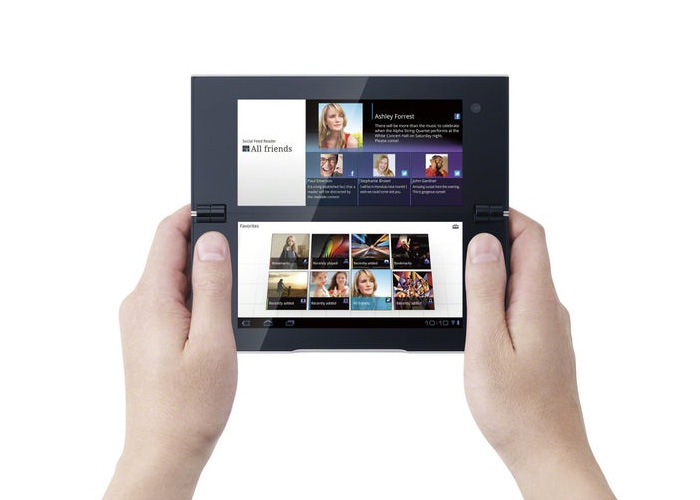
The Innovation: Released in 2011, this dual-screen tablet folded like a Nintendo DS. It was incredibly portable and felt like a gadget from a sci-fi movie.
Why It Missed: The thick black hinge in the middle ruined the immersion for movies. It was a “foldable” before flexible glass technology existed.
Current Status: Dead. However, its DNA lives on in the Samsung Galaxy Z Fold series.
15 Segway S-Pod (The Motorized Egg)
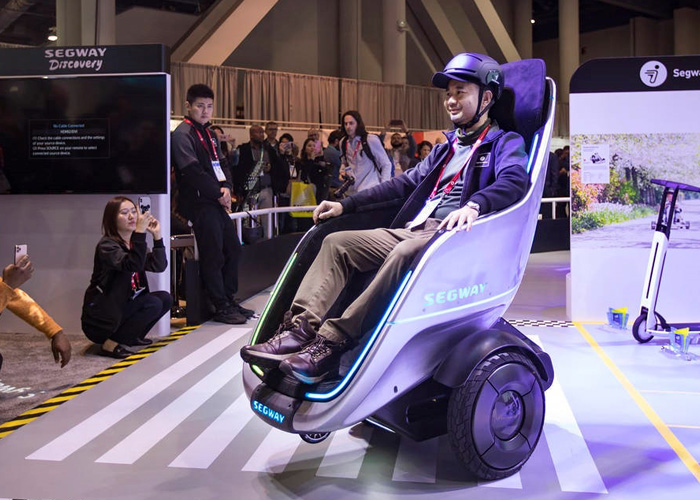
The Innovation: An egg-shaped, self-balancing chair controlled by a joystick. It was meant to be the ultimate personal transport for airports and campuses.
Why It Missed: Let’s be honest, it looks exactly like the dystopian chairs from the movie Wall-E. It was also too wide to fit through many standard doorways.
Current Status: Discontinued. Segway shifted focus toward electric scooters, leaving the S-Pod as a concept of the past.
16 Essential Phone “Project Gem” (The Stick Phone)
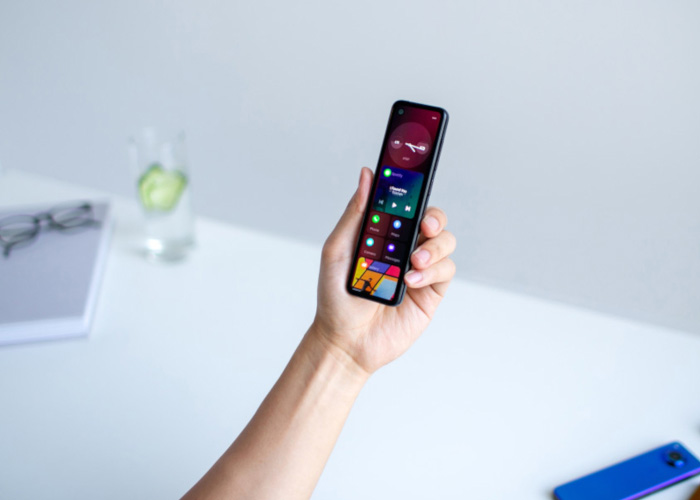
The Innovation: A smartphone shaped like a TV remote. It was ultra-slim and designed for one-handed use, looking like a futuristic “gem.”
Why It Missed: The world was moving toward bigger screens for video. A “tall and skinny” phone was simply too radical for the market.
Current Status: Cancelled. The company shut down before the phone could ever be released to the public.
17 Magic Leap 1 (The Secretive Giant)
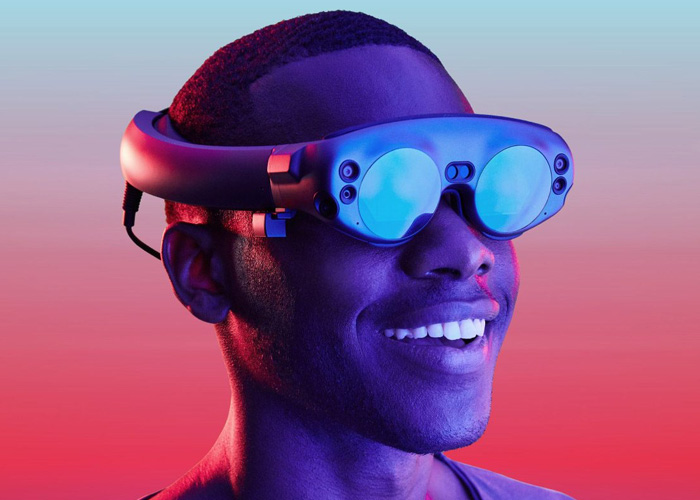
The Innovation: Magic Leap spent billions promising holograms that were indistinguishable from reality.
Why It Missed: When it finally launched, it required a “light pack” hip computer and didn’t offer enough content to justify the high price.
Current Status: Pivoted. Magic Leap now focuses entirely on industrial and medical applications rather than consumers.
18 Moxie (The AI Robot Friend)
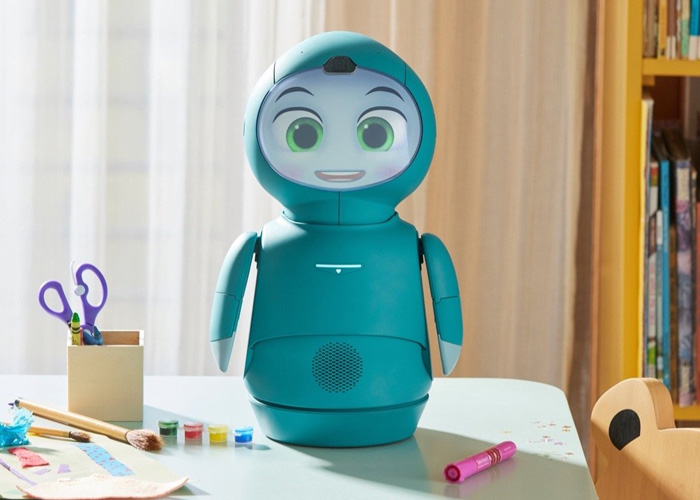
The Innovation: A blue robot designed to help children develop social skills using advanced AI conversation. It also looked eerily similar to the Ashley Too robot from Netflix’s Black Mirror series.
Why It Missed: The high cost ($800) and a monthly subscription fee made it a luxury item most parents couldn’t afford.
Current Status: Brick. The parent company shut down in 2024, and because Moxie required cloud servers to work, the robots ceased functioning.
19 Samsung Galaxy Gear (The First Smartwatch)
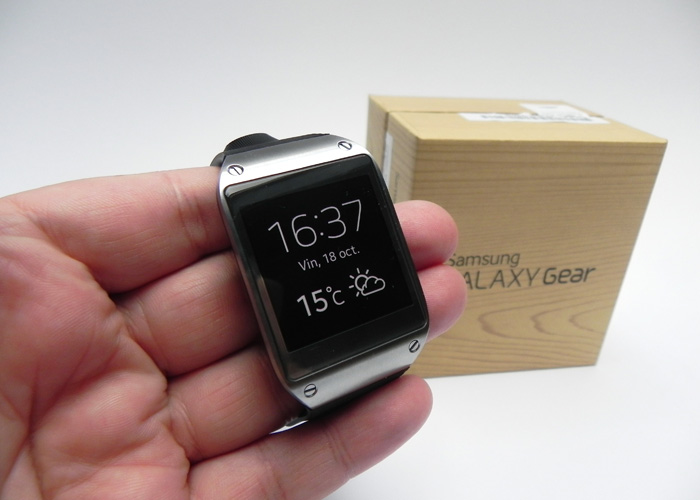
The Innovation: Released in 2013, it had a built-in camera on the strap and a speakerphone in the buckle.
Why It Missed: The battery barely lasted a full day, and the camera was awkward to use.
Current Status: Evolved. While this model is dead, it paved the way for the Galaxy Watch 7, which is a market leader today.
20 Swippitt (The Phone Toaster)
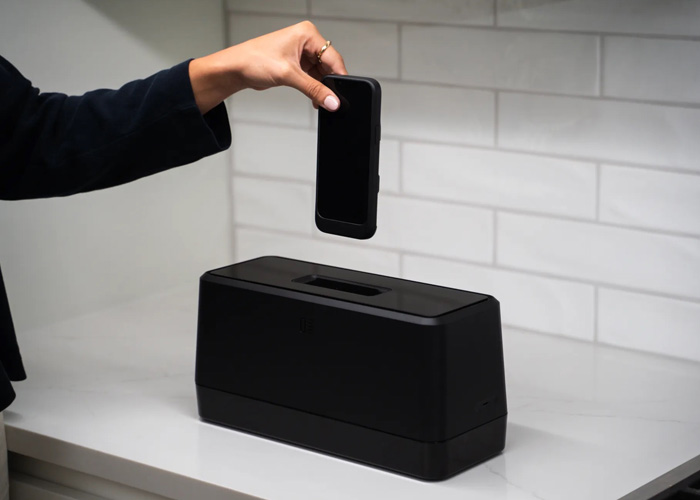
The Innovation: A 2025 kitchen appliance that looked like a toaster but was actually a mechanical battery swapper for your phone.
Why It Missed: Fast charging and MagSafe made “mechanical battery swapping” feel outdated before it even launched.
Current Status: Still Coming. According to the company’s website, the product is still on a waitlist. It will be interesting to see if this does actually hit the market.
Anyone can write on DorkDesk. Start writing!