

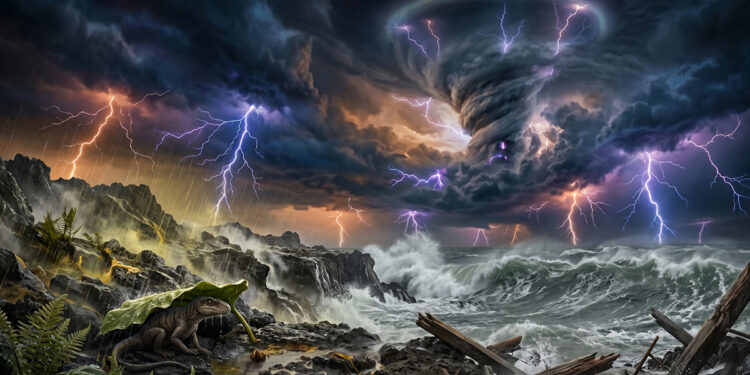

We’ve all seen the footage of modern hurricanes leveling cities, but in the grand timeline of Earth, our recent “superstorms” are practically drizzle. Long before humans walked the Earth—and even before the dinosaurs claimed their throne—our planet was a chaotic laboratory of atmospheric rage.
If you think a rainy weekend ruins your plans, wait until you see what the “Great Dying” or the “Carnian Pluvial Episode” had in store. Let’s count down the most devastating atmospheric storms in the history of our blue planet.
5 The Great Hurricane of 1780
The Atlantic’s Most Violent Storm
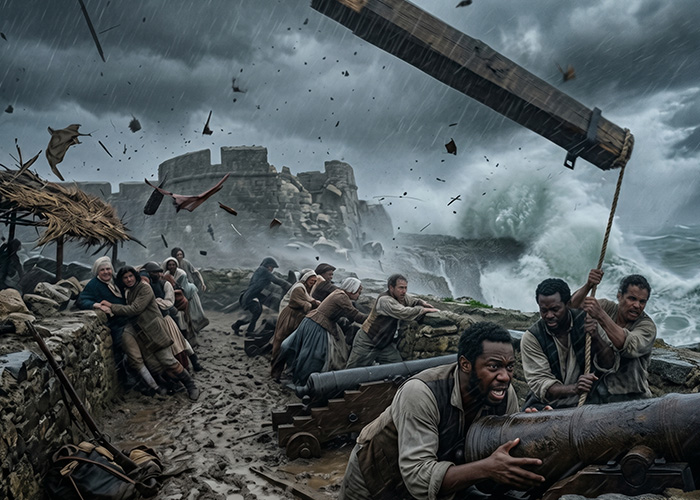
To understand true atmospheric violence, we start with the Great Hurricane of 1780. This monster remains the deadliest Atlantic hurricane ever recorded. It slammed into the Caribbean with such raw power that it didn’t just snap trees. Instead, the wind actually stripped the bark right off the trunks. To put that in perspective, “skinning” a tree requires sustained speeds over 200 mph.
The Power: The storm was so strong that it moved heavy cannons hundreds of feet.
The Impact: Over 22,000 people lost their lives across the islands.
4 The Bhola Cyclone (1970)
The Deadliest Storm in Human History
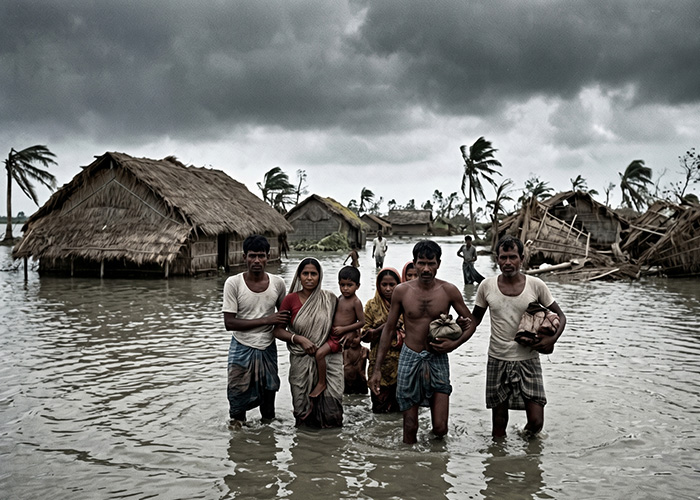
If wind is a scalpel, the Bhola Cyclone was a sledgehammer. Striking what is now Bangladesh, this storm didn’t just break weather records—it shattered a nation’s history. The resulting chaos fueled a massive civil war. Remarkably, the storm surge was so devastating that it effectively birthed a new country out of the wreckage.
The Loss: This single event claimed up to 500,000 lives in one night.
The Wall of Water: A 30-foot storm surge timed perfectly with a high tide.
3 The Chicxulub “Hypercanes”
The Storms that Broke the Sound Barrier
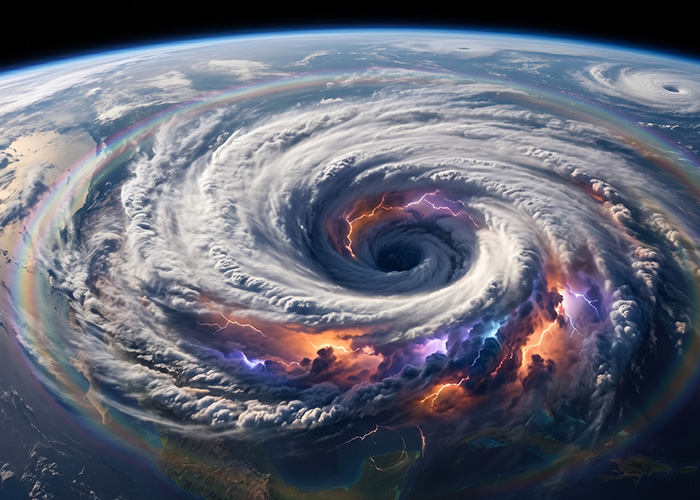
he asteroid that killed the dinosaurs 66 million years ago caused more than just a big bang. Scientists theorize the impact heated the oceans to a staggering 50∘C, spawning monsters called “Hypercanes.” These theoretical beasts were so tall they pierced the upper stratosphere. With winds approaching the speed of sound, they likely tore the ozone layer apart.
The Scope: One hypercane could have covered the entire North American continent.
The Speed: These theoretical monsters likely had wind speeds over 500 mph.
2 The Permian “Acid Rain” Storms
The Storms that Dissolved the Land
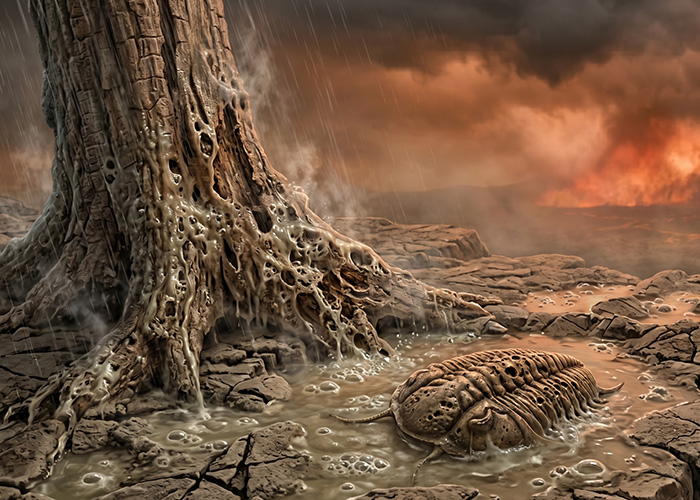
Roughly 252 million years ago, Earth experienced a biological reset known as the “Great Dying.“ Massive volcanic eruptions pumped the atmosphere full of toxic gases. This didn’t just cause heat; it created a permanent state of super-storms. These storms dropped rain with the acidity of lemon juice, literally dissolving the land and helping wipe out 90% of all life.
The Erosion: This toxic rain literally dissolved the land and killed 90% of all life.
The Chemistry: These storms dropped rain with the acidity of lemon juice.
1 The Carnian Pluvial Episode
The Million-Year Monsoon
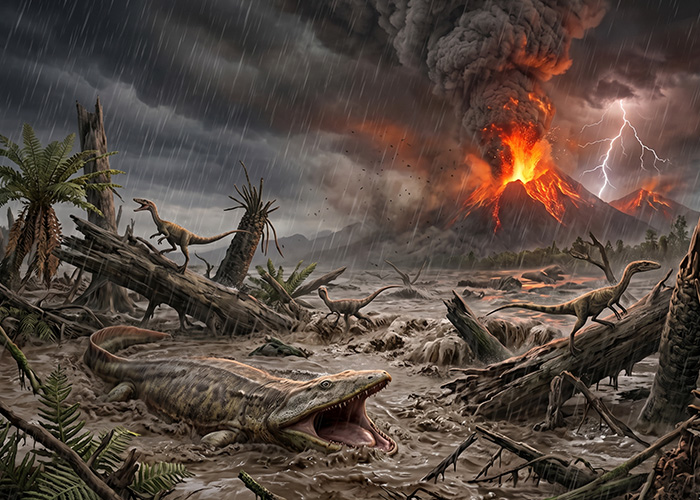
The top spot on our list isn’t a single storm, but a rainy season that lasted for two million years. Around 232 million years ago, Earth’s climate simply “snapped.” After a long period of dry heat, the floodgates opened and—remarkably—they stayed open. This “million-year rain” transformed a global desert into a tropical greenhouse, giving dinosaurs the perfect environment to take over the world.
The Dino-Boost: This massive climate shift allowed dinosaurs to dominate the planet.
The Transformation: The rain turned a global desert into a lush, tropical paradise.
Next time you’re annoyed by a rainy afternoon, just remember: it could be worse. You could be living through a million-year monsoon or a 500-mph Hypercane.
Anyone can write on DorkDesk. Start writing!